
We aim at providing premium quality software products and software development services at unmatched cost-effectiveness and service quality, thereby making technology beneficial to your business.
© Copyright - Malus Technology Pvt. Ltd. (2014-26)






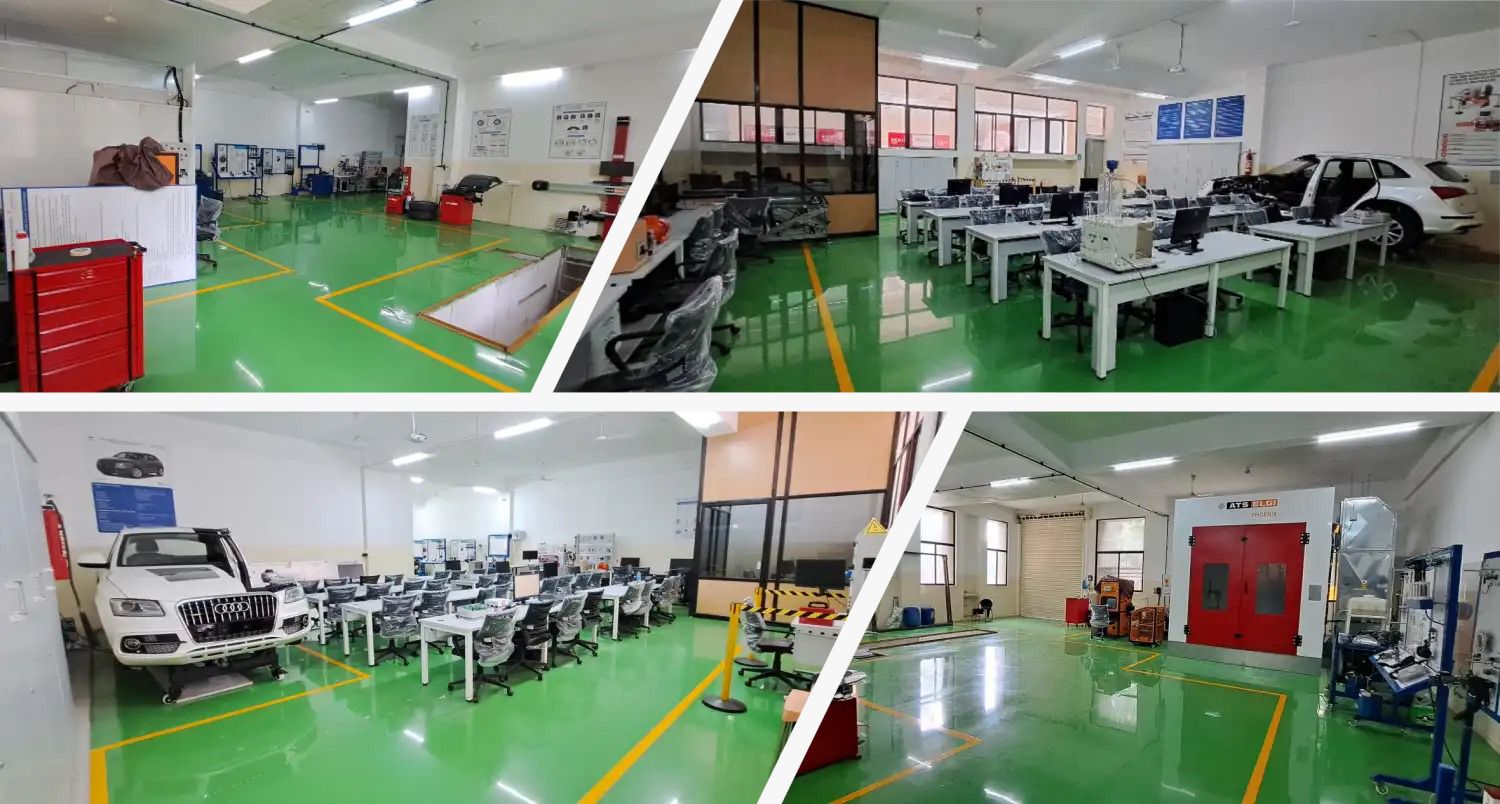
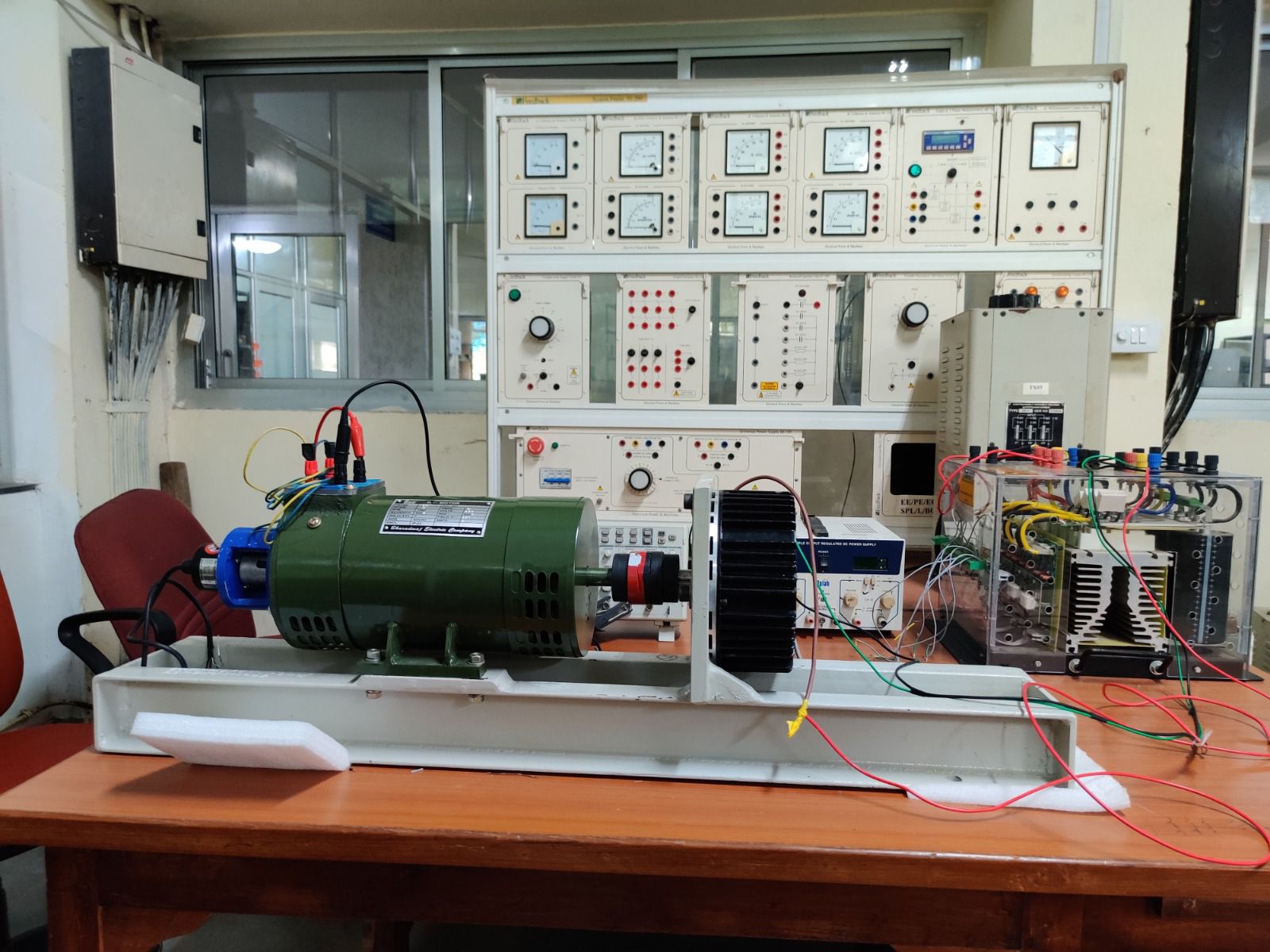
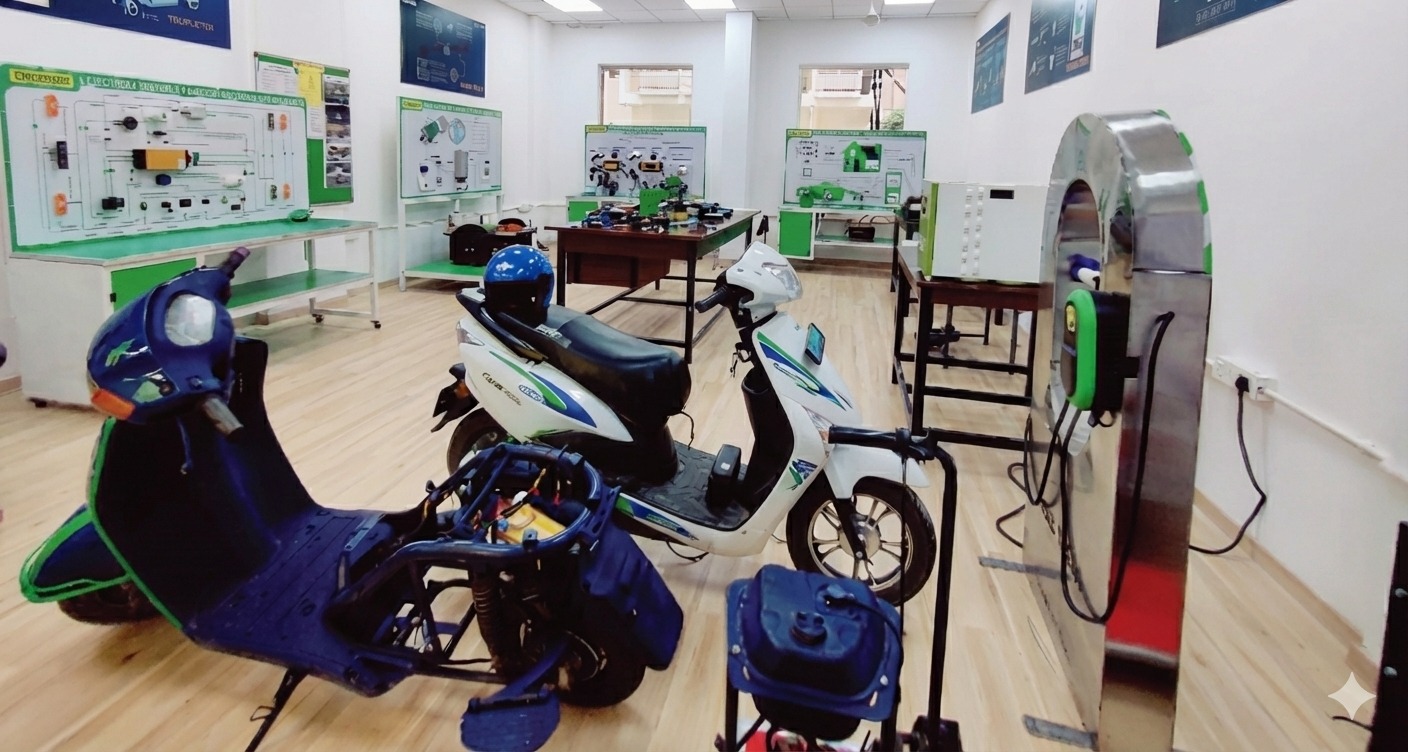
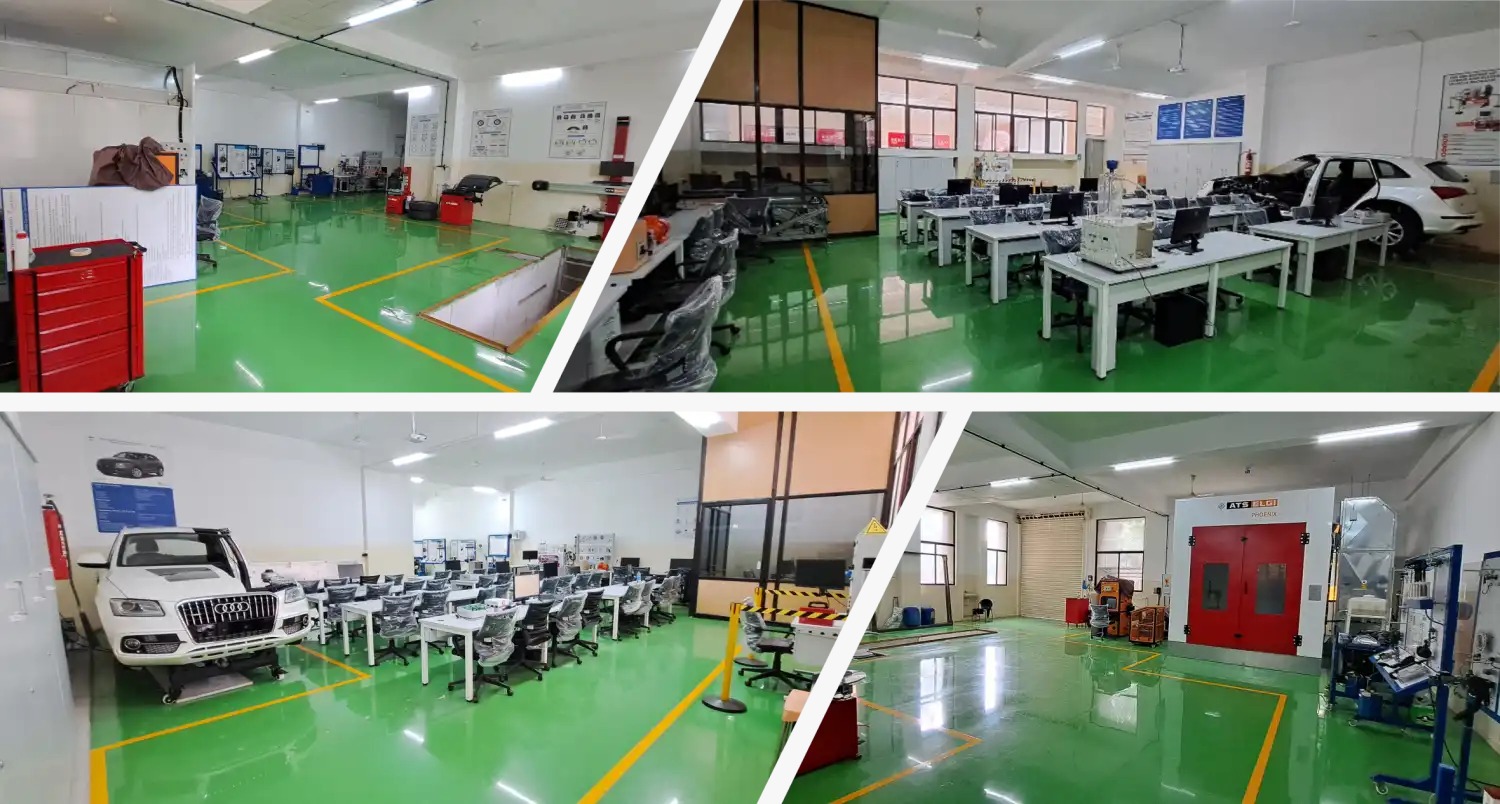
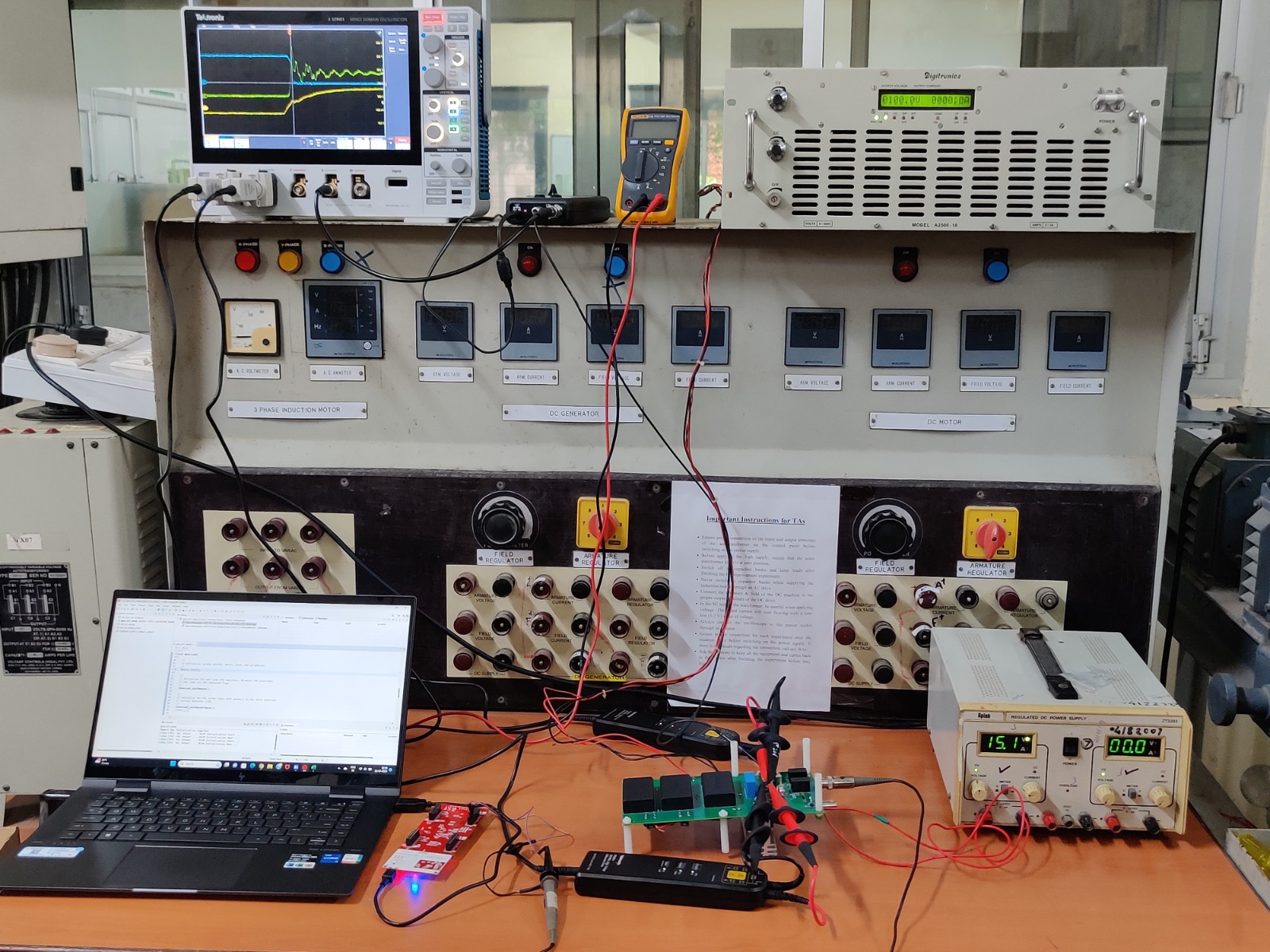
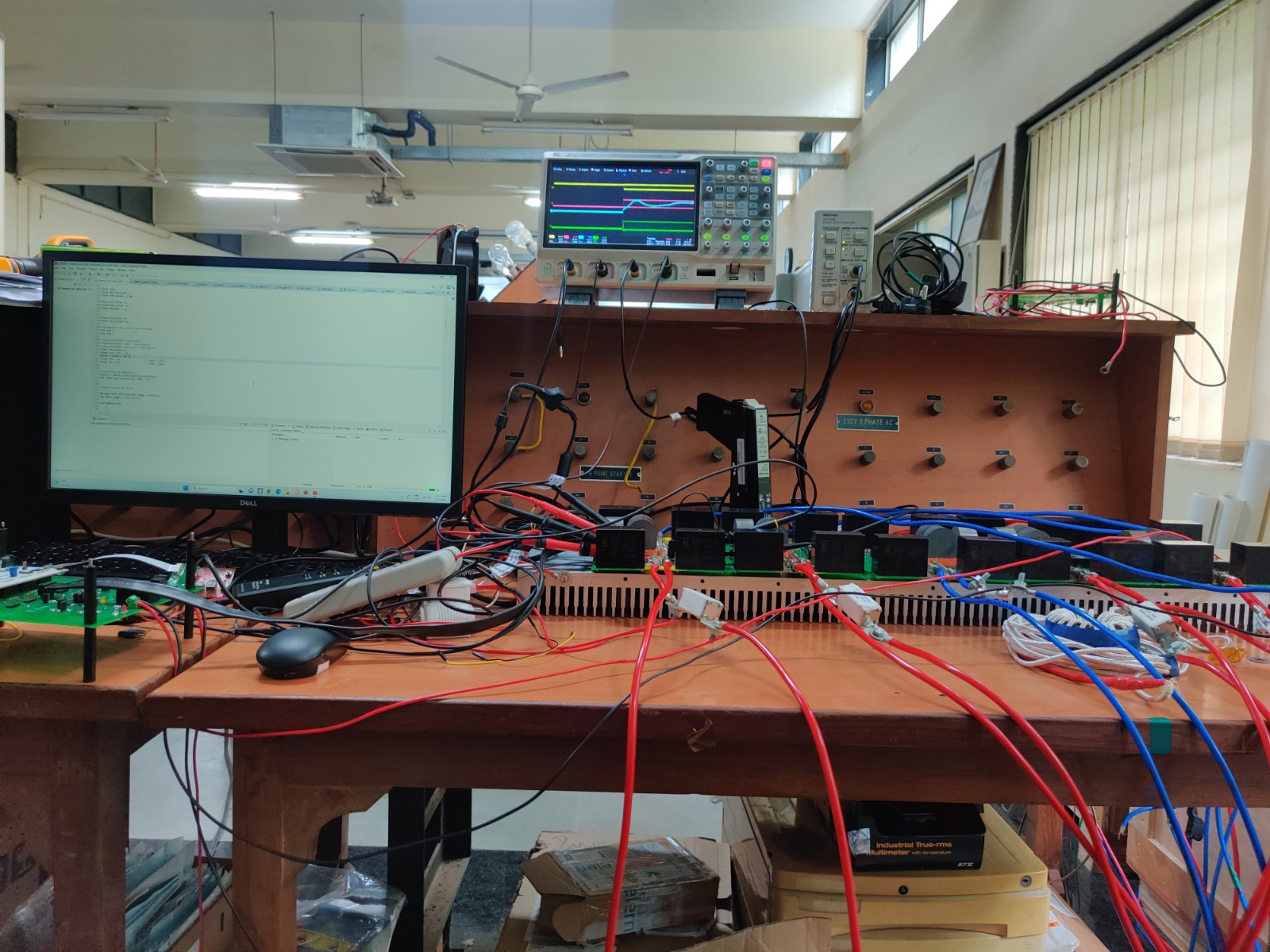
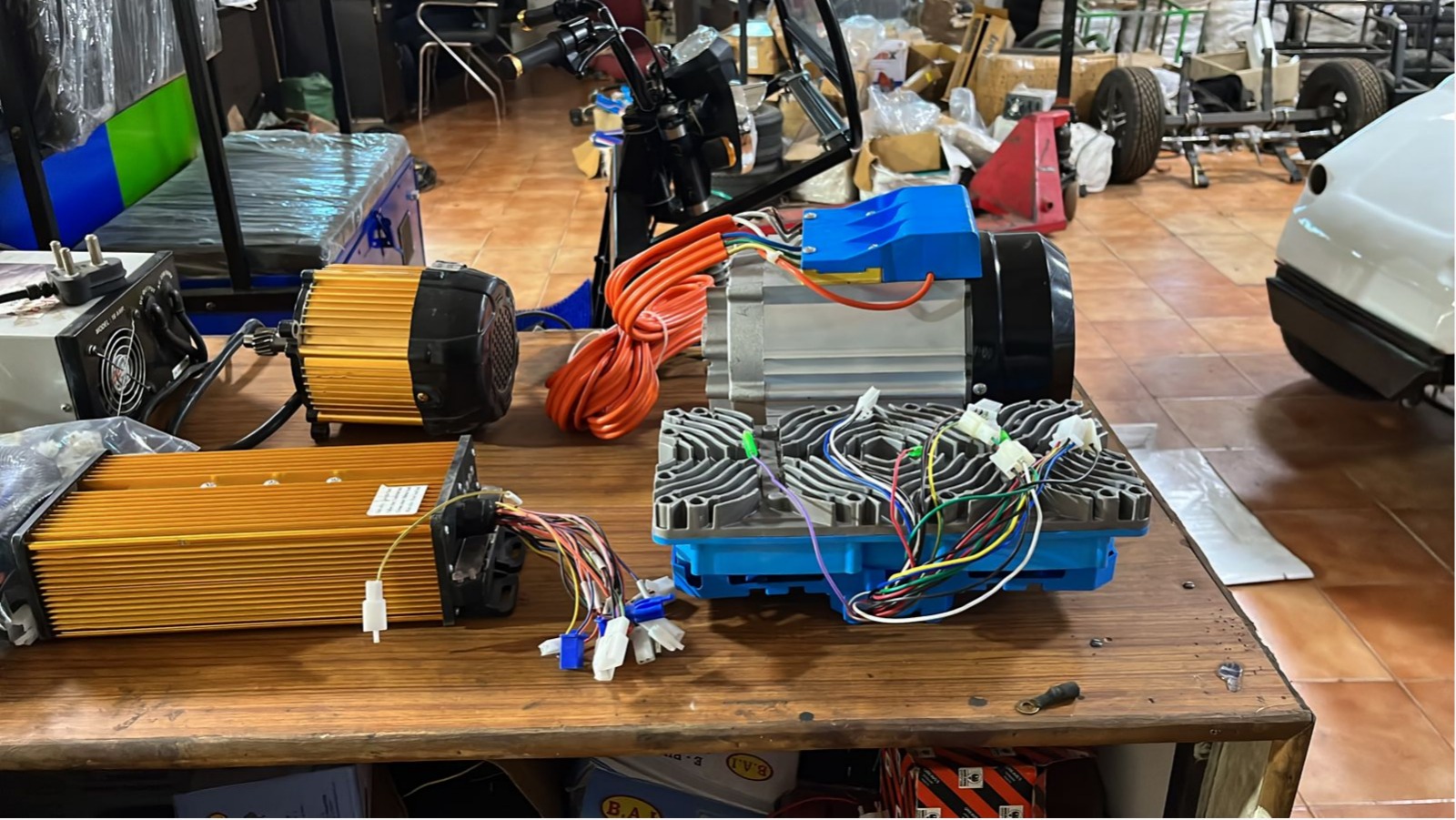
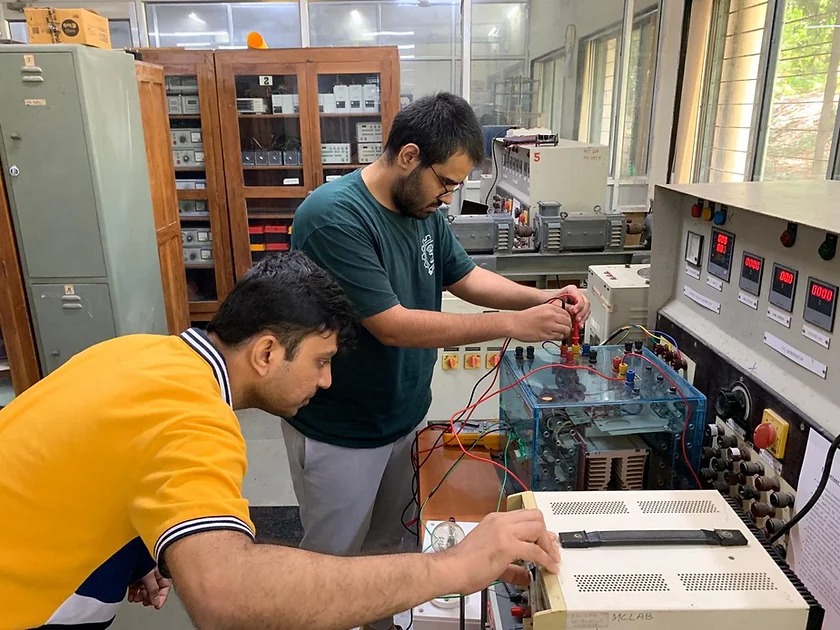
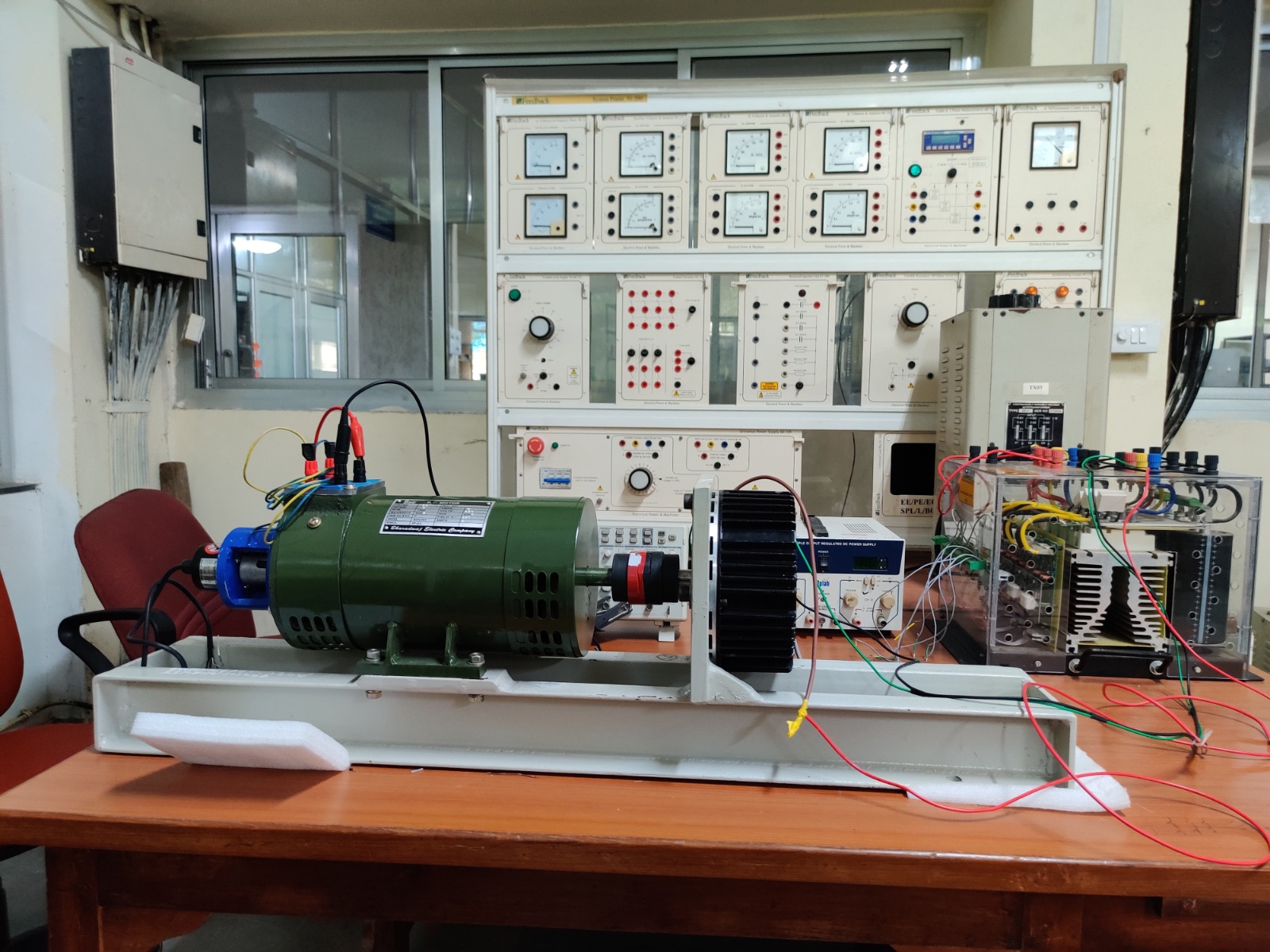
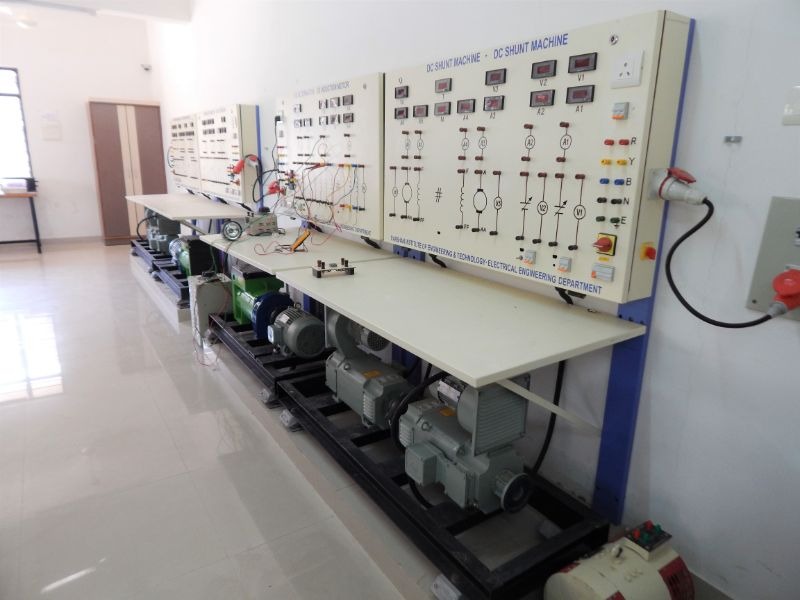
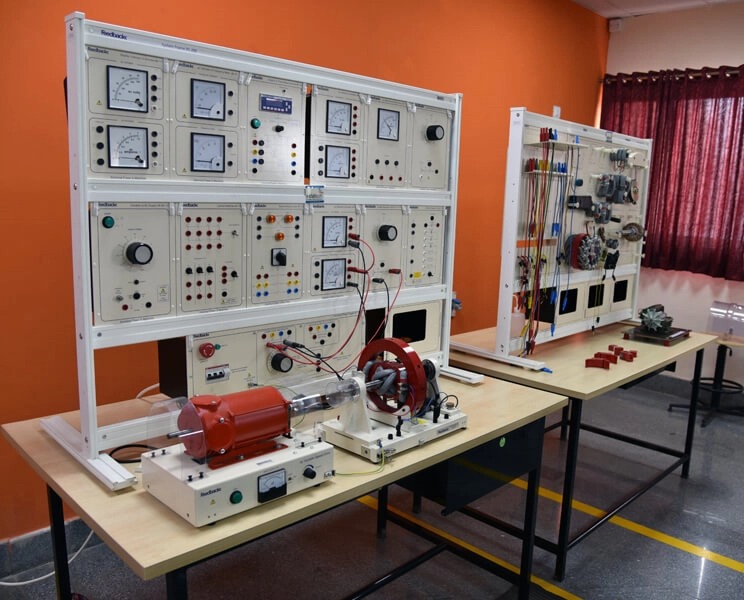
The Electric Vehicle Lab & Centre of Excellence (EV Lab / EV CoE) by Malus Technolab is designed to build deep, system-level electric mobility capability within academic and training institutions. The focus is on creating hands-on competence across electric vehicle technologies through integration, diagnostics, testing, and validation.
Unlike conventional EV labs, this Centre of Excellence functions as a practice-first, industry-relevant environment where learners work with EV systems the way they are encountered in real-world applications.
Treating EVs as complete systems, not isolated components
Emphasizing integration, diagnostics, and performance evaluation
Aligning learning outcomes with real EV job roles
Encouraging experimentation and problem-solving
EV system architecture and energy flow
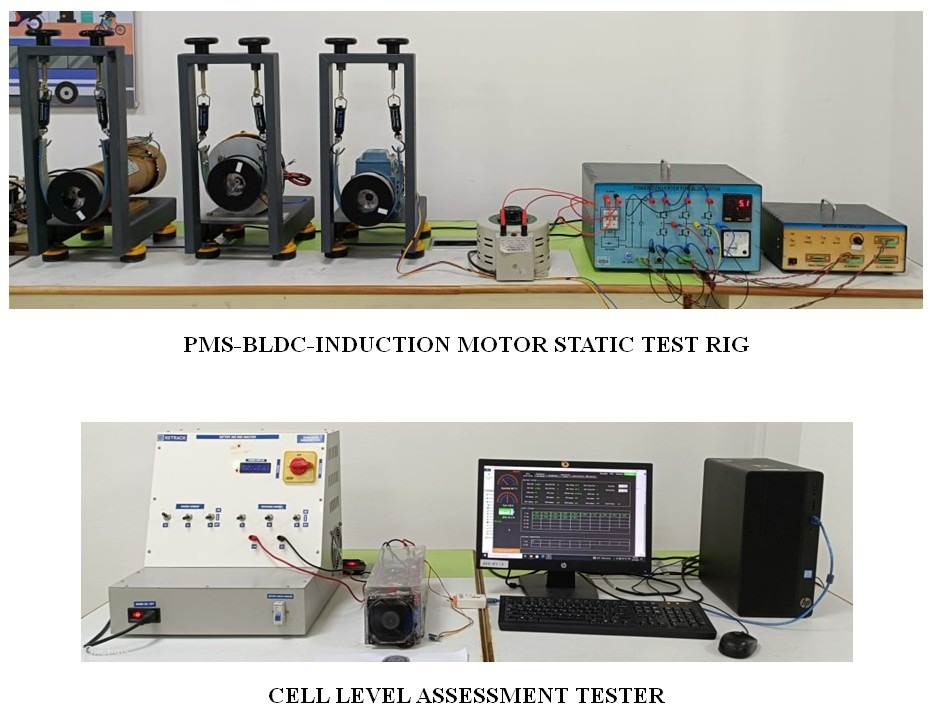
Integration of motor, controller, inverter, and drivetrain
Efficiency mapping and performance analysis
Subsystem interaction and failure impact
Battery pack design logic and configuration
Battery Management System (BMS) architecture
Cell balancing, thermal behavior, and safety mechanisms
Battery diagnostics and fault analysis
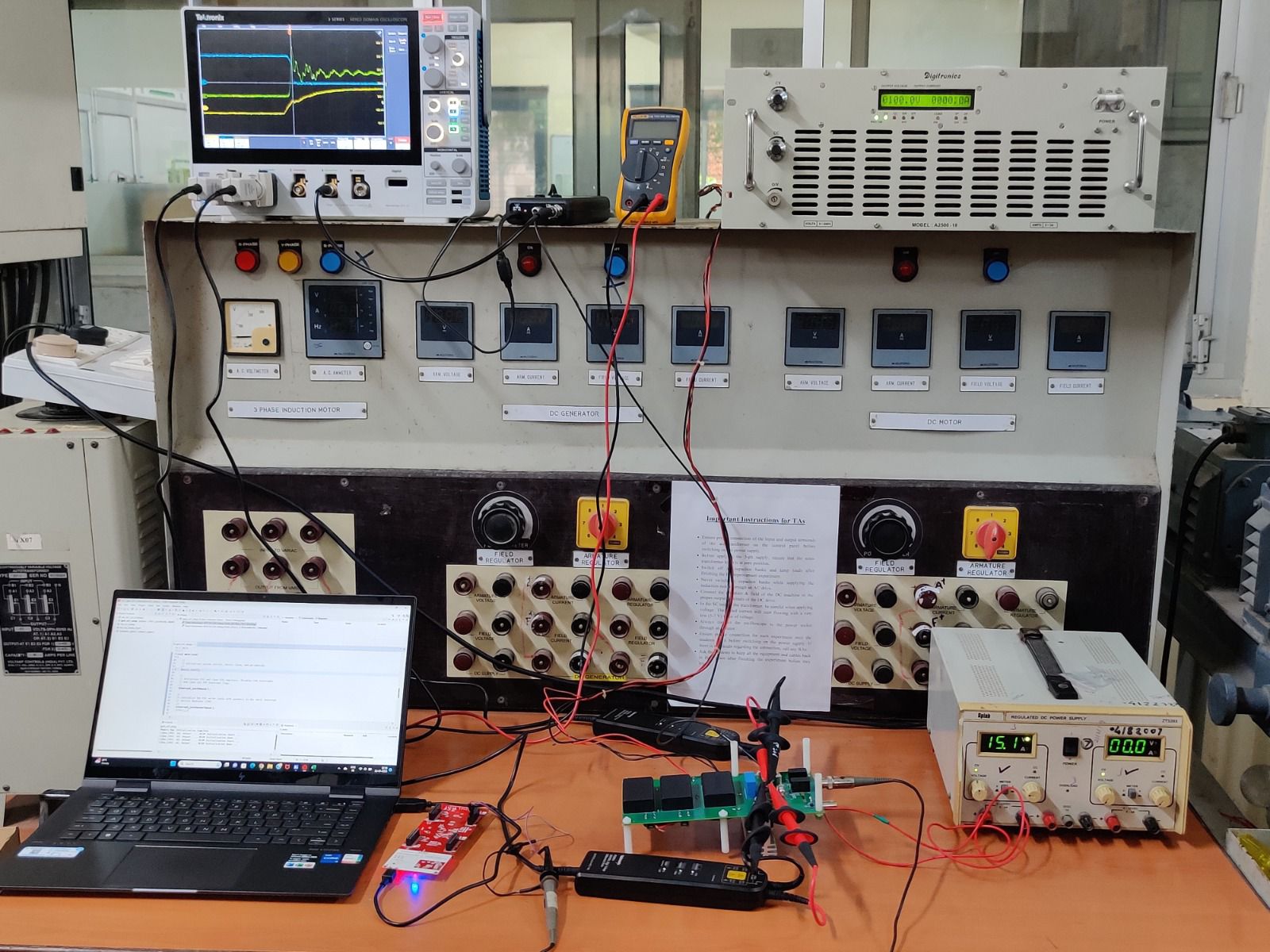
EV subsystem testing and commissioning
Sensor data interpretation and fault tracing
Safety checks and compliance validation
Root-cause analysis and failure investigation
AC and DC charging principles
Charger architecture and protection logic
Vehicle–charger interaction fundamentals
Charging system troubleshooting
EV System Technician programs
EV Integration and Diagnostics modules
Academic EV curriculum support
Faculty enablement programs
Industry-focused EV certifications
Student design and capstone projects
EV subsystem experimentation
Efficiency and reliability studies
Prototype development
Practical EV system understanding
Diagnostic and troubleshooting capability
Confidence to work on live EV platforms
Industry readiness
Foundational EV Lab
Advanced EV Integration Lab
Research and Innovation EV CoE
Skill-Centric EV CoE
Engineering Colleges and Universities
Polytechnics and ITIs
Skill Development Centers
Research Institutions
Government Programs
System-level EV expertise
Diagnostics-driven lab design
Practice-first approach
Industry-aligned training
Long-term capability building
The Electric Vehicle Lab & Centre of Excellence by Malus Technolab prepares professionals to contribute to the EV ecosystem from day one.


.png)
.png)
.png)

Malus Technolab
Typically replies within an hour




 Live Chat